


Tin & Still
By Sam Miller | February 1, 2026
Christopher Tin’s Waloyo Yamoni
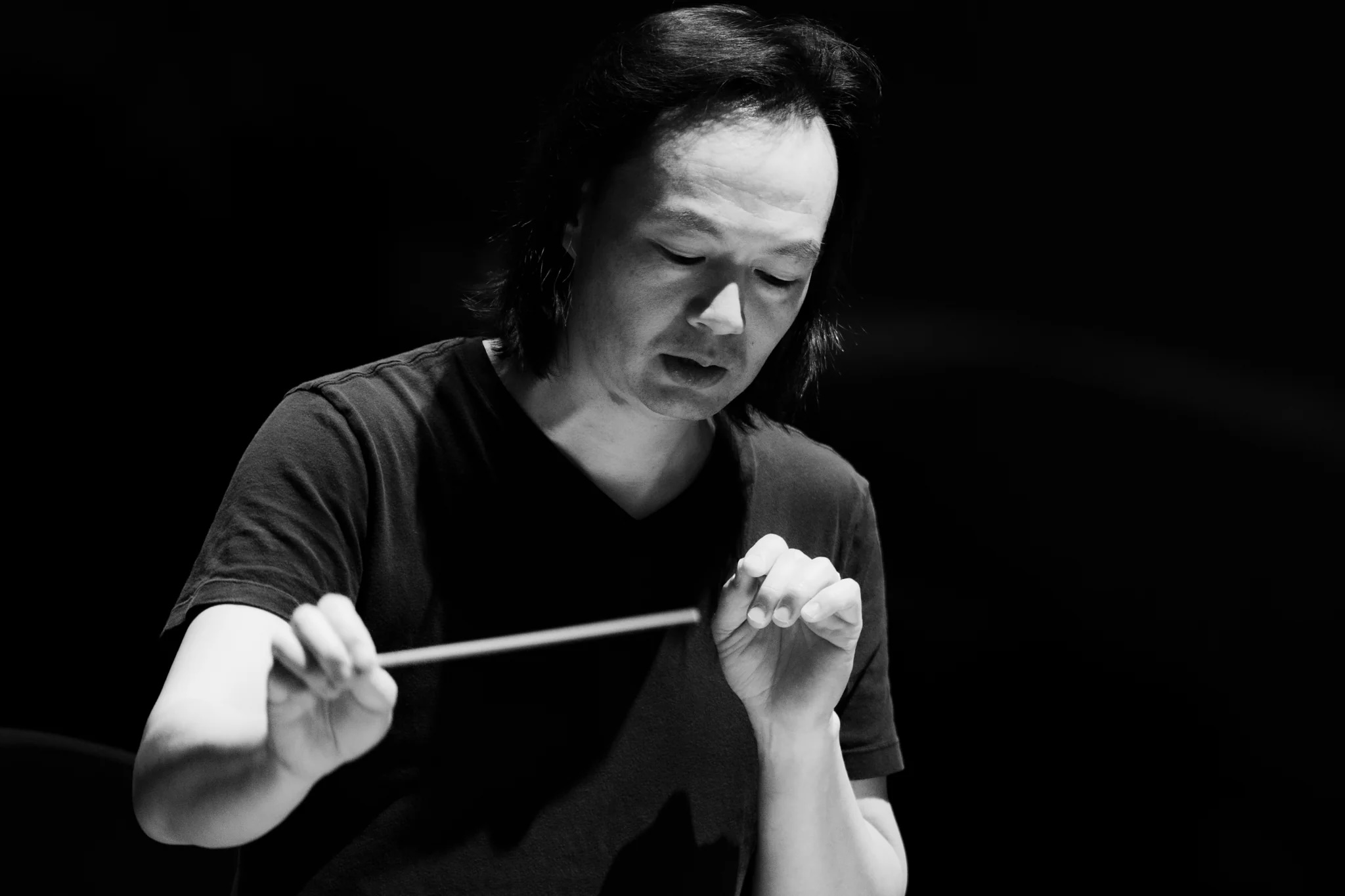
Premiered in 2012, this contemporary piece explores that combines Western classical and African music techniques. Christopher Tin is a two times Grammy winning composer whose music has been performed around the world. Tin is known for fusing different musical traditions from different cultures with western classical music to connect people across the globe. The composer writes music for all sorts of reasons. His song, Baba Yetu, a translation of the Lord’s prayer into Swahili and set to music, was written for the video game Civilization IV. This song became the first piece of music from a video game to ever win a Grammy award. Tin’s first album, Calling All Dawns, earned him his second Grammy, and his second album, The Drop That Contained the Sea, was a massive hit. Waloyo Yamoni is the final song in this second album, and certainly the most popular in the set. Interestingly enough, although Waloyo Yamoni is the final song in the album, it was actually composed first. Originally intended to be a standalone piece, after completing it, Tin decided to build the album around the song.
William Grant Still’s Afro-American Symphony
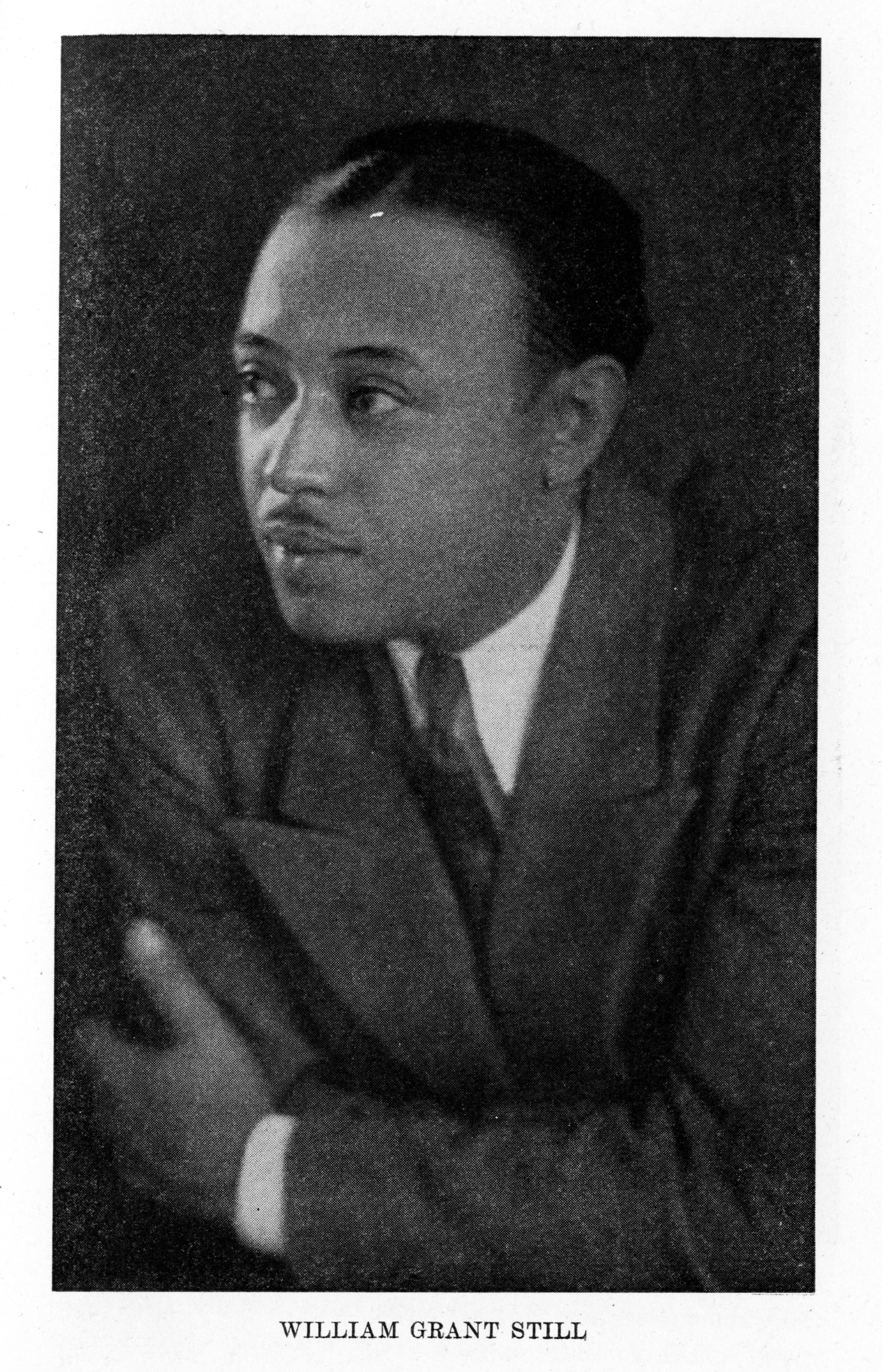
Considered one of the most famous African-American symphonies of all time, Still’s Afro-American symphony was completed in only two months in 1930. Still was a driver of the Harlem Renaissance, which was transforming America in radical ways. African Americans were beginning to make a footprint in the larger cultural landscape, and the arts were the driving force behind this newfound cultural revolution. Writers like Langston Hughes, artists like Aaron Douglas, and intellectuals such as W.E.B Du Bois were just some of the heavy hitting names to come out of the Harlem Renaissance. William Grant Still took the ideas coming out of this Renaissance and infused them into his music. This inspiration is apparent in all of the composer’s works, but none more so than his Afro-American Symphony. Still began to roughly sketch out this symphony in 1924 while playing in the pit orchestra for the musical comedy “Shuffle Along,” but would not have time to truly work on the piece until six years later. In 1930, the composer rented a quiet room in New York and dedicated the next two months solely to this piece. This dedication paid off, and the Afro-American Symphony would be a massive hit. Still became the first African American composer to have his works performed with a major symphony orchestra, and was regarded by contemporaries as, “The Dean of African American Composers.”
Read More Blogs and Get Your Dose of Classical Music
About Sam

Samuel “Sam” Miller is a 12th grade student at Gonzaga Preparatory school who writes and distributes a weekly classical music blog that shares different classical songs and explores their background with his teachers and peers. He is an avid violinist studying under Mateusz Wolski, and an enthusiastic member of the Spokane Youth Symphony. Samuel started this project to pursue and share his passion for classical music with others. In his free time, Sam enjoys practicing violin, going to symphony concerts, playing tennis, hanging out with friends, video games, and spending time with his family.
