Shostakovich and Piazolla

By Sam Miller | April 1, 2026

Shostakovich’s Symphony No. 5
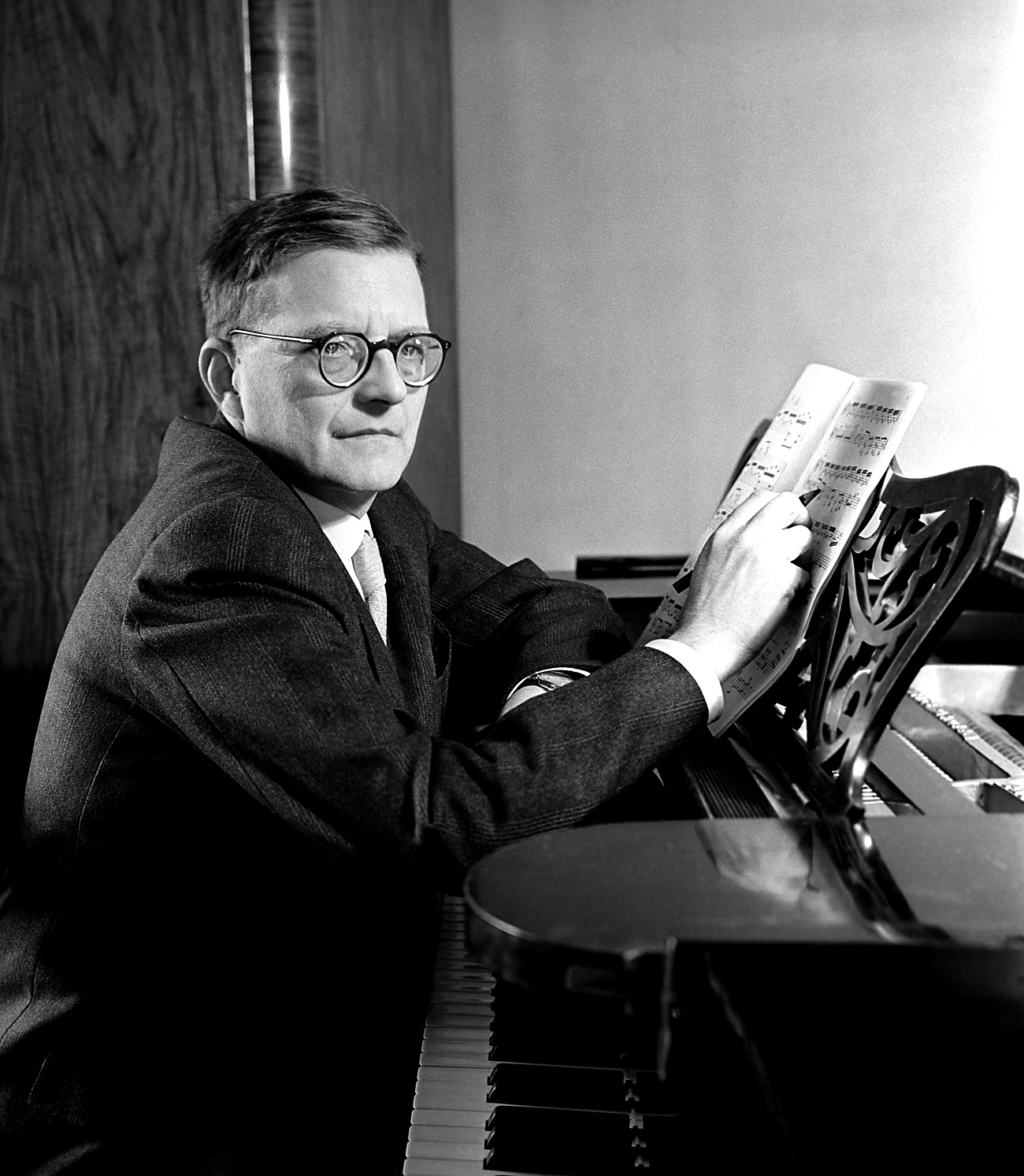
Shostakovich’s 5th Symphony is often considered his most impactful work. In fact, the piece likely saved the young composer from the gulag. Shostakovich was under heavy scrutiny by the Soviet government in the early 1930s. His opera, The Lady Macbeth of the Mtsensk District, had been widely loved by Soviet audiences and frequently sold out theaters. This was until Stalin and his entourage went to a performance and left before the start of the 4th act. The next day, an anonymous article published in the state-owned Pravda newspaper stated that the opera was “Muddle instead of music.” It went on to describe the music as “petty-bourgeois” and “formalist.” Even more concerning, the article further stated that any other works of such nature from Shostakovich “may end very badly” for the composer. Reeling from this blatant threat, Shostakovich withdrew his 4th Symphony, a symphony that may have been seen in a similar light as his opera. He then began work on his 5th Symphony. Both the opera and Shostakovich’s 4th Symphony would not be performed until the 1960s after the death of Stalin.

Shostakovich’s 5th Symphony, subtitled “A Soviet artist’s reply to just criticism,” was a massive success across the Soviet Union and abroad. To the Soviet government, this was seen as a phenomenal work that embodied Soviet ideals and heroics. Shostakovich went to great lengths to give the impression of a grand and heroic symphony. For example, the key signature, D minor, can be compared to Beethoven’s famous 9th Symphony. However, letters and quotes from Shostakovich decades later show that all of these heroics and grandeur may not have been as pro-Soviet as once believed. In reality, Shostakovich’s 5th Symphony is a protest against tyranny and a mockery of the State. The symphony has four movements: Moderato, Allegretto, Largo, and Allegro non troppo.

  • Length: Approximately 45-50 minutes
  • Structure: The symphony has four movements: Moderato, Allegretto, Largo, and Allegro non troppo.
  • Sound: The first movement, Moderato, is an unnerving, sinister movement that fills the listener with dread. The Allegretto is a playful but sarcastic Russian dance that seems to make fun of Stalin, but would be seen by the State as the incorporation of Russian spirit into the piece. The third movement is a slow and sorrowful movement that is said to have brought tears to the eyes of its listeners when the piece first premiered. The final movement is a grandiose and bombastic finale that seems to rejoice. However, this rejoicing is not by choice. According to Shostakovich much later in his life, “The rejoicing is forced, as in Boris Godunov. It’s as if someone were beating you with a stick and saying, ‘Your business is rejoicing, your business is rejoicing,’ and you rise, shaky, and go marching off, muttering, ‘Our business is rejoicing, our business is rejoicing.’” This piece is one of my all-time favorites. Its story, brilliance, and historical significance put it on a whole new level.

I wholeheartedly recommend this piece for any time: working, driving, or relaxing.

The performance I have today is by the Frankfurt Radio Symphony Orchestra under the baton of David Afkham.


Additionally I have the link to the Pravda Newspaper article translated into English that bashed Shostakovich’s opera. It’s not often that I get primary sources for these, so this is kind of exciting.
http://www.arnoldschalks.nl/tlte1sub1.html

Macdonald, Hugh. “Symphony No. 5.” LA Phil, LA Phil, https://www.laphil.com/musicdb/pieces/4020/symphony-no-5. Accessed 22 March 2026.

“Shostakovich Symphony No. 5.” Keeping Score, PBS, https://www.pbs.org/keepingscore/shostakovich-symphony-5.html. Accessed 22 March 2026.

Piazolla’s Four Seasons of Buenos Aire
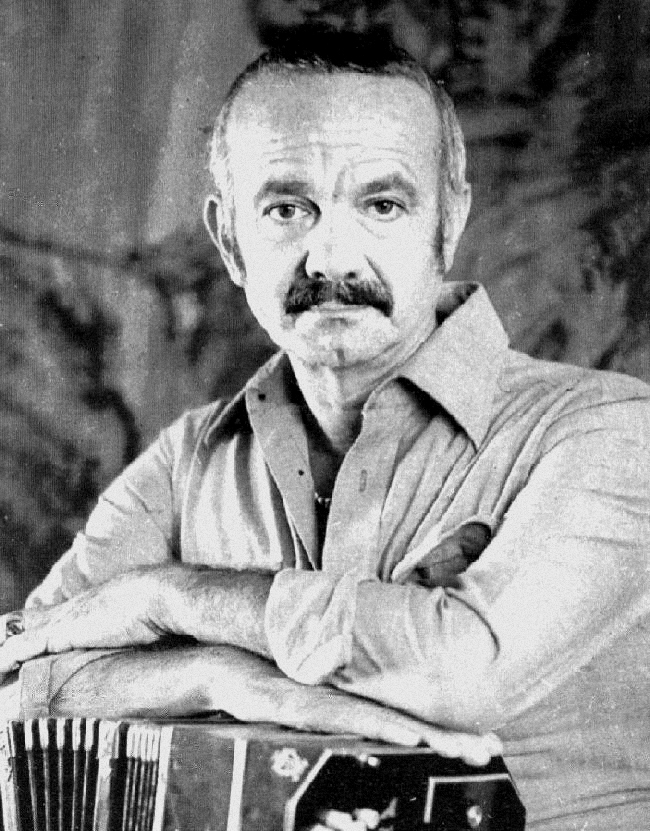
Composed in 1969, this piece is a creative spin/ recomposition of Vivaldi’s classic four seasons. The four Seasons of Buenos Aires incorporates modern musical ideas and dissonance inspired by the form of a tango. This piece also incorporates elements of classical and jazz to spice up its already complex form (Posner). Throughout the piece, Piazolla references Vivaldi’s piece. From being modulated into a different key to direct quotes, if you listen to the movement carefully, you can pick up on it.

  • Length: Approximately 25-30 minutes
  • Structure: This piece is composed of 4 movements
  • Sound: The first movement, inspired by Summer, is a fast and intense movement that seems to embody the sweltering heat of an Argentinian sun. The second movement, Autumn, starts with an interesting violin technique of playing behind the bridge. This creates a heavy scratching sound that creates a fun and unique atmosphere. The opening is followed by a beautiful cello solo. The rest of the movement is virtuosic and fun, including a cadenza for the violin. The third movement, Winter, is the slow movement of the piece. Despite this, it certainly doesn’t slow to a crawl, and maintains a fun and engaging atmosphere while presenting virtuosic opportunities for the violin. The fourth movement, Spring, is another fast and fun movement, it bears some resemblance to summer in some ways, but maintains its own unique flavor. Despite being a fast movement, it has a really pretty slow section that contrasts the dissonance and intensity from before. After the slow section, the movement gets going again, and ends with a few final notes from Vivaldi’s Spring. This is definitely a piece that has to grow on you, and may be an acquired taste. It contains complex rhythms and dissonance that is typical of this era of classical music.

Personally, I like working with this piece, but if it’s too distracting, listening to it while driving or doing housework is great as well.

The performance I have for you today is by Ray Chen with the Sydney Symphony Orchestra under Tianyi Lu. I have a couple of things I don’t like about this performance. For one, the audience claps between movements (for those that don’t know, during a classical concert, clapping between movements is a big no-no if you’re a classical snob like me), secondly, the orchestra completely butchers the start of the 4th movement. Ray has to save them and bring the piece back together. This being said, I really love Ray’s passion and technique throughout the piece, and I think that it’s worth the trade off. Additionally, if you haven’t listened to Vivaldi’s four seasons, I highly recommend that you listen to them beforehand.

Piazolla:


Vivaldi
:

Posner, Howard. “Four Seasons of Buenos Aires, Astor Piazzolla – Los Angeles.” LA Phil, https://www.laphil.com/musicdb/pieces/5942/four-seasons-of-buenos-aires. Accessed 29 September 2024.

Read More Blogs and Get Your Dose of Classical Music

About Sam

Samuel “Sam” Miller is a 12th grade student at Gonzaga Preparatory school who writes and distributes a weekly classical music blog that shares different classical songs and explores their background with his teachers and peers. He is an avid violinist studying under Mateusz Wolski, and an enthusiastic member of the Spokane Youth Symphony. Samuel started this project to pursue and share his passion for classical music with others. In his free time, Sam enjoys practicing violin, going to symphony concerts, playing tennis, hanging out with friends, video games, and spending time with his family.